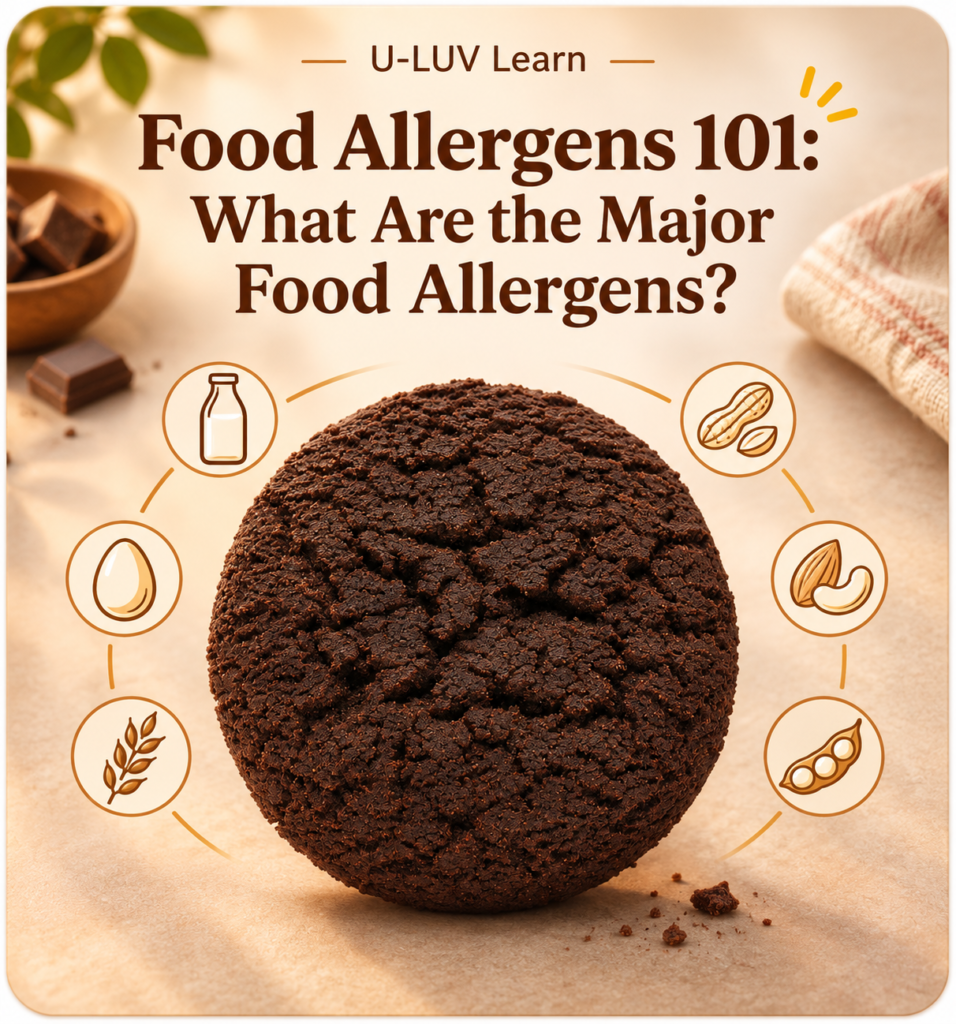
Food Allergens 101: What Are the Major Food Allergens?
Food allergies can make choosing packaged foods feel complicated.

Food allergies can make choosing packaged foods feel complicated.
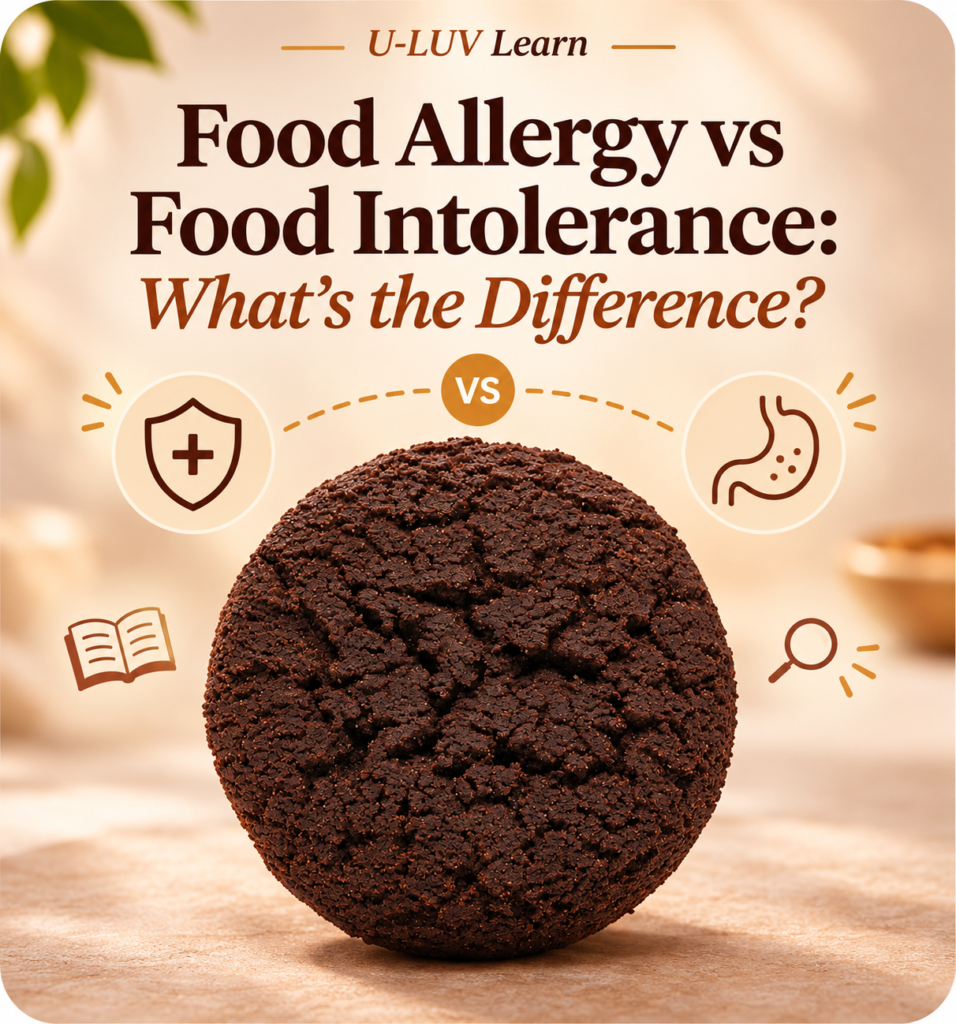
The terms food allergy and food intolerance are often used interchangeably, but they describe different kinds of reactions.
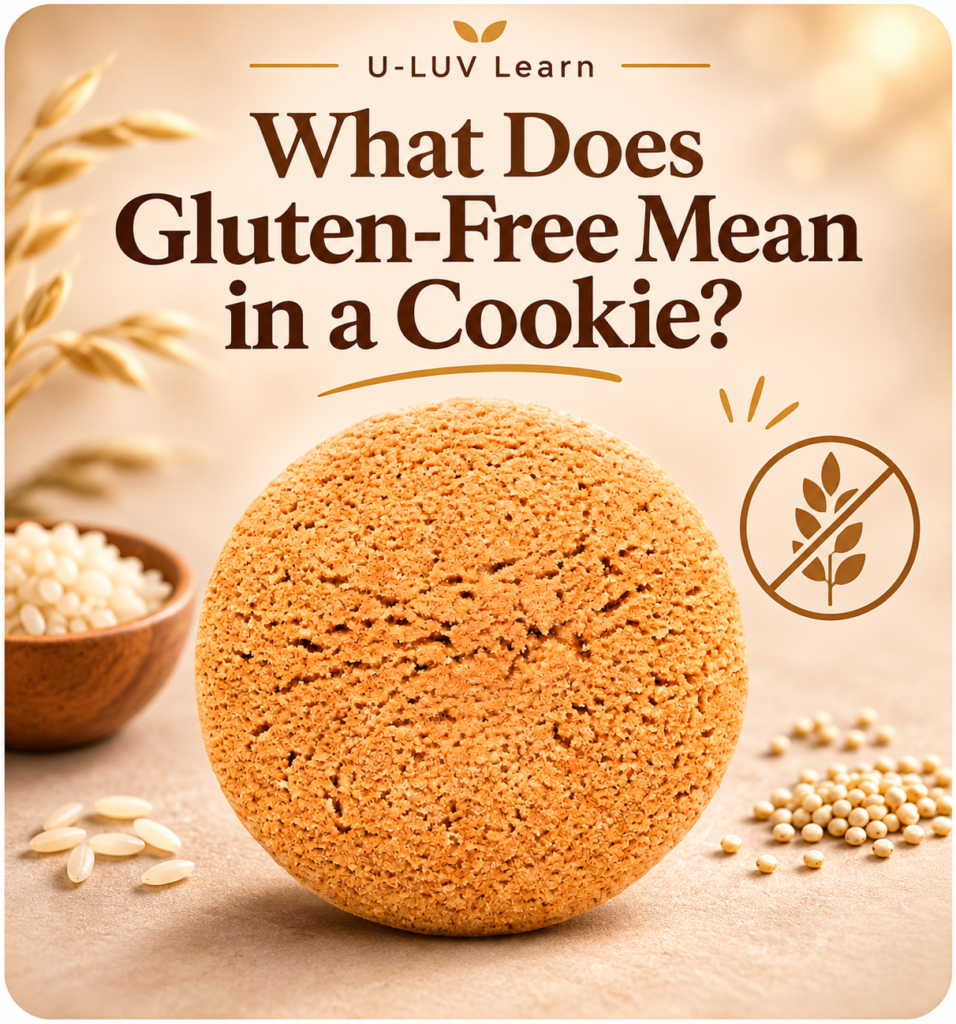
“Gluten-free” is more than a marketing phrase. In the United States, the FDA has a specific standard for foods that use a gluten-free claim.
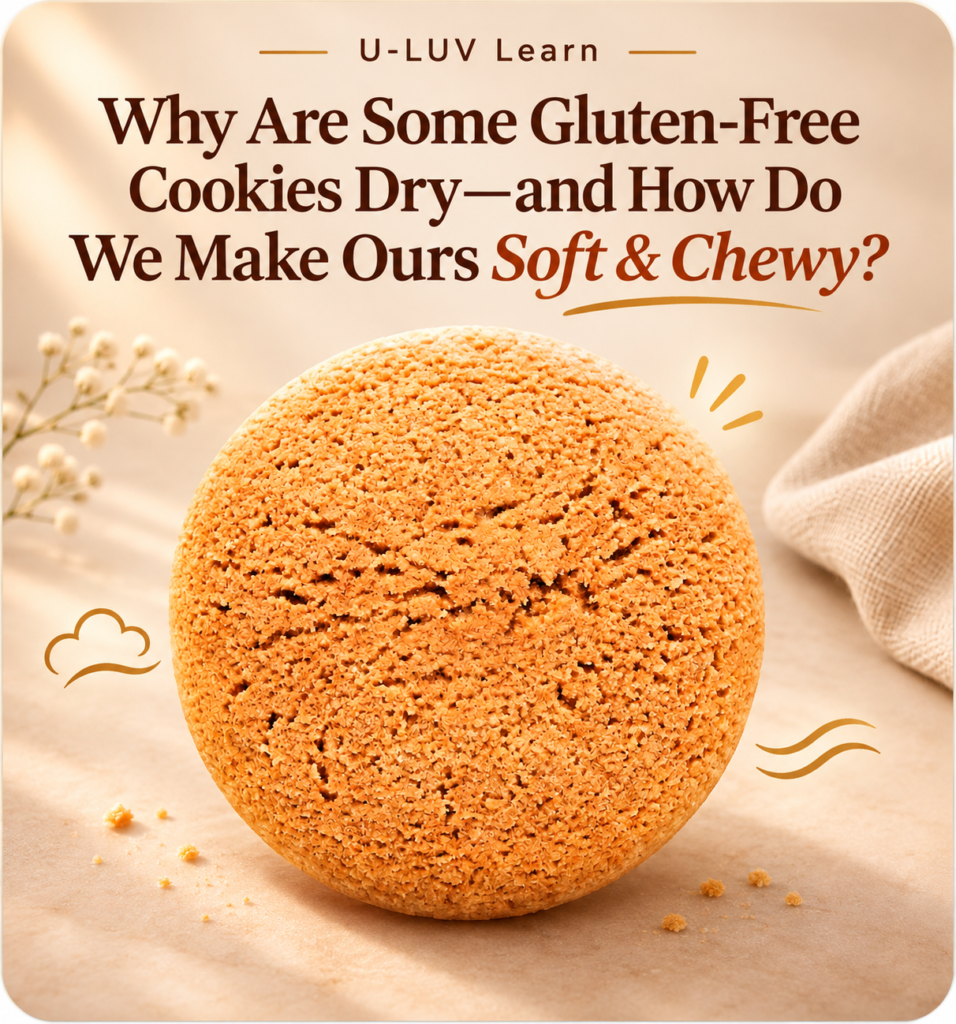
One of the biggest complaints about gluten-free cookies is texture: too dry, too hard, too crumbly, or simply not like the cookie people remember.
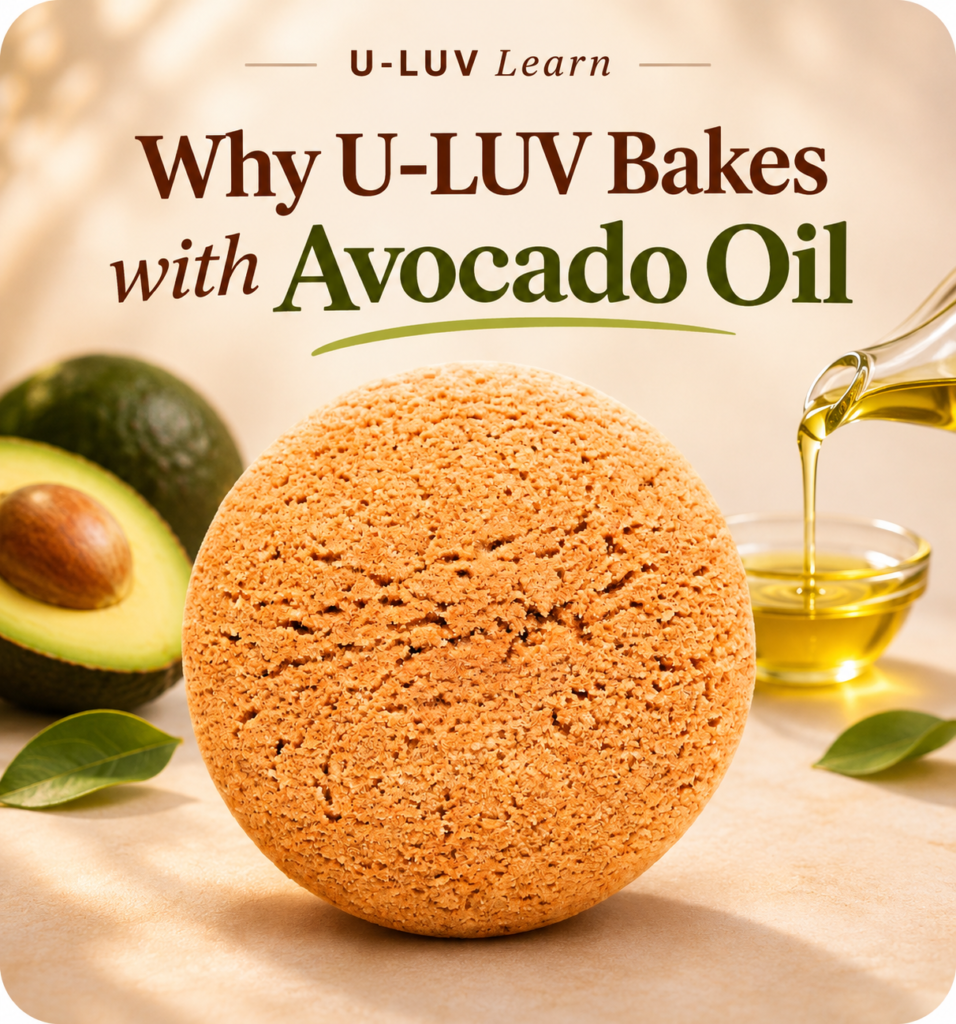
Fat does important work in a cookie. It affects tenderness, mouthfeel, flavor, spread, and the way a cookie stays soft after baking.
“Artificial ingredients” is a phrase people use often, but it can mean several different things.

“Better-for-you” appears on a lot of food packaging, but it does not have one universal meaning for every person or every snack.
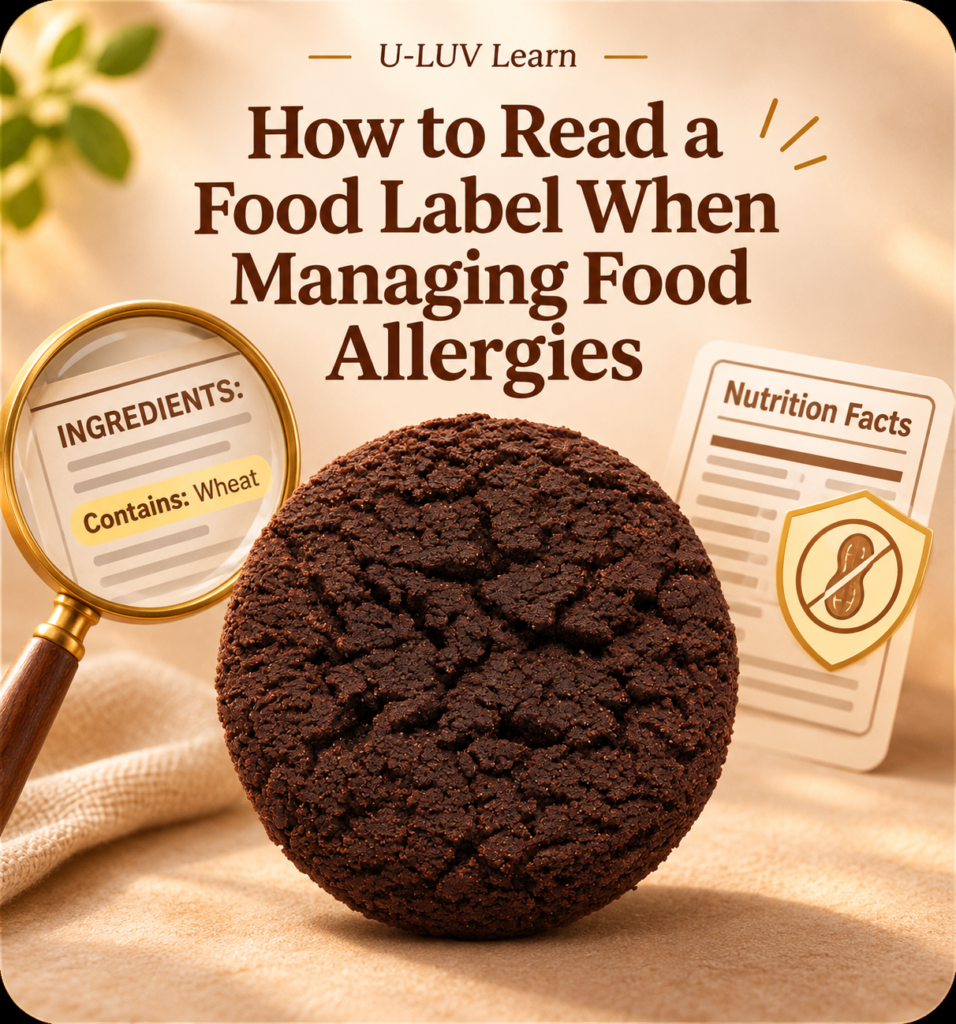
This guide explains the basics of reading packaged-food labels in plain language, including what the U.S. Food and Drug Administration requires for major food allergens and what customers should still check for themselves.